
Why Property Tax Is Being Talked About
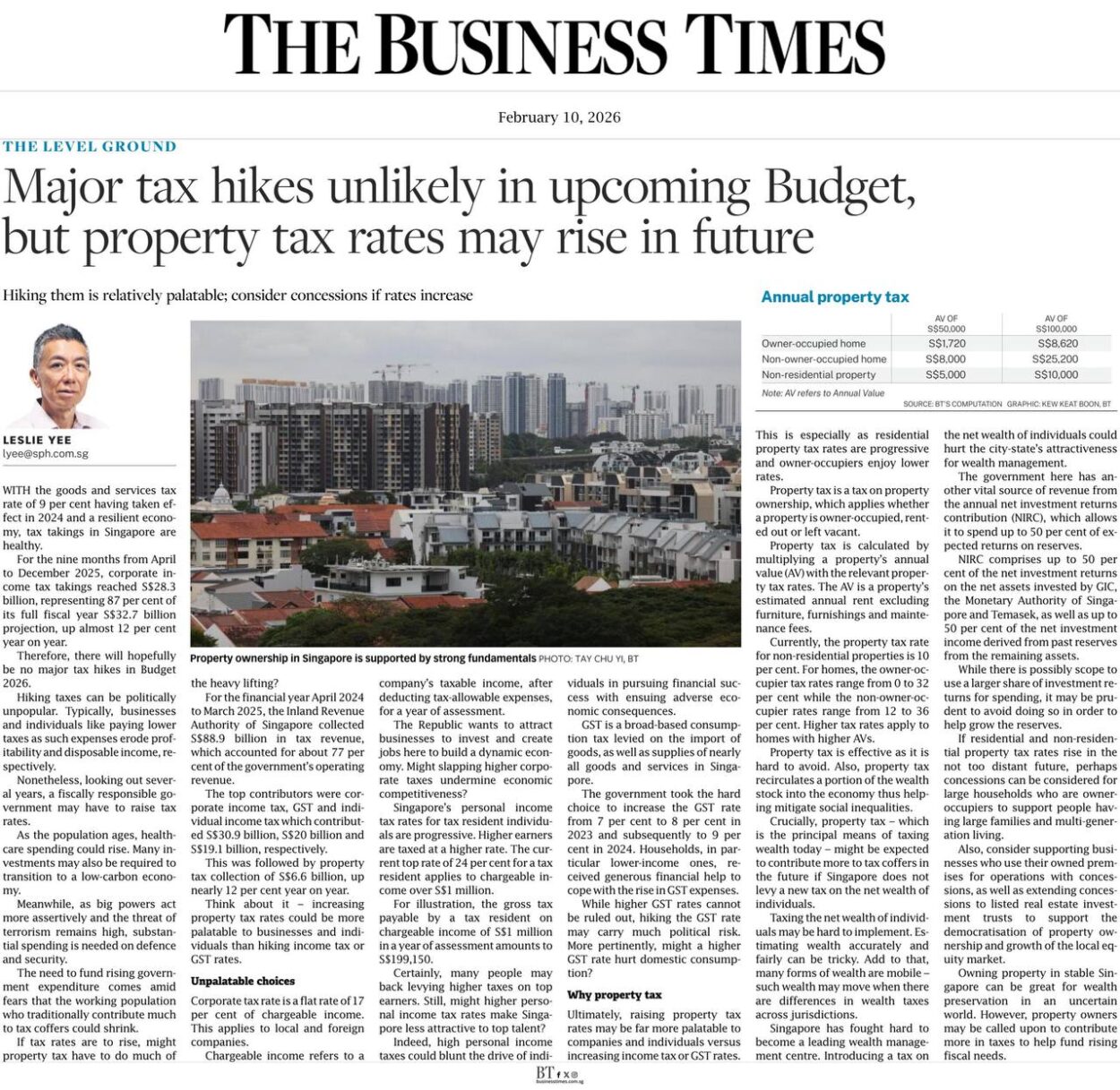
Lately, there has been more discussion about property tax possibly increasing in the future. Whenever this topic comes up, it naturally makes homeowners uneasy. People start wondering if owning a home will become more expensive, or if the rules are about to change suddenly.
To understand this properly, we need to look at the bigger picture. Singapore’s cost of running the country is going up. Healthcare spending is rising as the population ages. Defence and social support continue to need funding. These are long-term issues, not short-term ones.
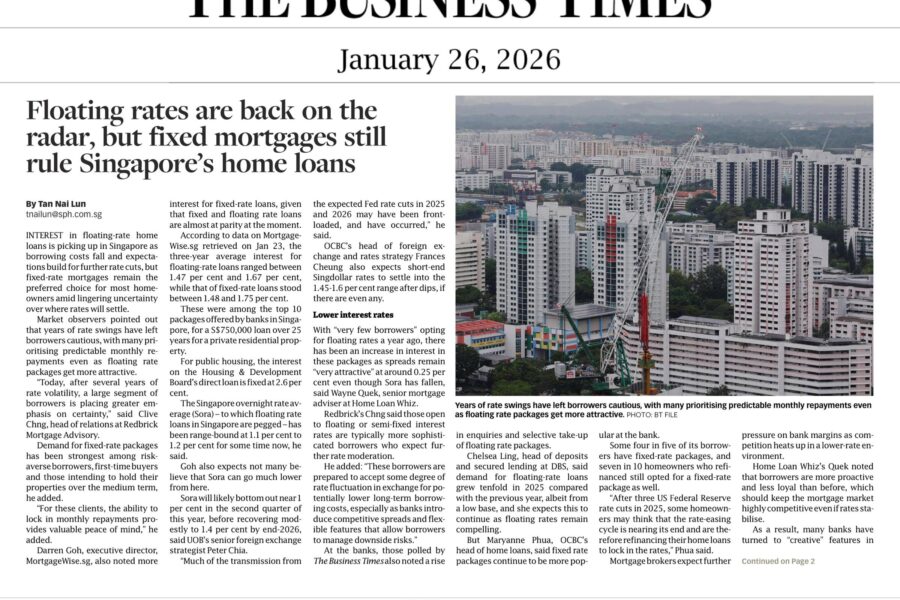
At the same time, some taxes are already difficult to raise further. GST has increased and people feel it immediately when they spend. Income tax hikes affect working professionals directly and may make Singapore less attractive to talent. Corporate taxes affect businesses and jobs.
So when the government looks for ways to raise revenue without hurting everyday life too much, property tax naturally enters the conversation.
My Stance: This Is Not a Crisis for Homeowners
My honest view is this: property tax rising is not something most homeowners need to panic about.
Yes, it may increase over time. But this does not mean sudden, painful changes or policies that hurt ordinary families. Singapore has always taken a careful and gradual approach to housing. Property is not just an investment here — it is a home, a retirement buffer, and a key part of financial stability for many people.
Because of this, I believe any changes will be slow, measured, and targeted, not disruptive.
Reasoning: Why Property Tax Is the “Easier” Option
Property tax is often seen as more acceptable because it is linked to owning an asset, not to how much you earn every month or how much you spend daily.
In Singapore, property ownership is commonly associated with stability and long-term wealth. Even if someone is not cash-rich, owning a home still means holding a valuable asset. Because of that, many people understand the idea that property owners can contribute a bit more over time.
Also, property tax is paid yearly. It does not affect daily expenses like food, transport, or utilities. That makes it less stressful compared to taxes that hit you every time you spend or receive income.
Another important point is that property tax is already structured in a way that protects most owner-occupiers. Higher-value homes and non-owner-occupied properties are usually where adjustments happen first. This helps ensure that average homeowners are not overly burdened.
Simply put, the more a property looks like wealth, the more attention it gets from a tax point of view.
Practical Takeaway: What This Means for You
For most people, this is more about awareness than alarm.
If you live in your own home, there is little reason to worry. Any changes are likely to be gradual and manageable, not sudden or shocking.
If you own investment property, this is a reminder to focus on sustainability. Cash flow, holding power, and long-term planning matter more than just price appreciation.
If you are planning to upgrade or buy your next property, it is wise to think beyond today’s price. Consider future costs and make sure the home remains affordable even if taxes slowly increase over time.
Overall, property in Singapore is still a solid long-term asset. But like everything else, it now requires more thoughtful planning and less emotional reaction.
Closing Thoughts
Property tax discussions are not a sign that something is wrong with the market. They are a sign that the system is adjusting as the country grows and changes.
Those who understand this early can plan calmly and confidently. Those who panic may make rushed decisions they later regret.
In my view, property ownership is still very much worth it — just with a greater need for clarity, awareness, and long-term thinking.gets. This helps protect ordinary homeowners while still raising money where it makes sense.

Leave a Comment