
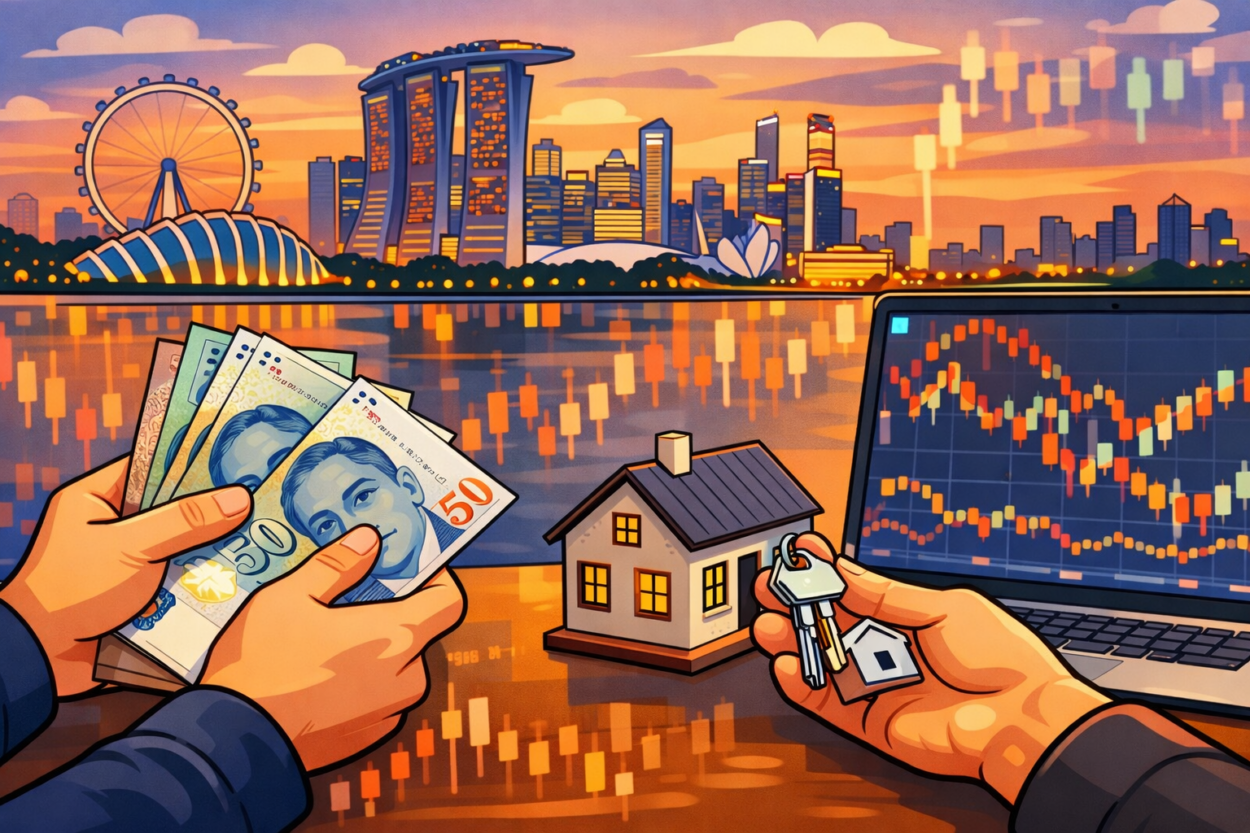
I was reading this Business Times article saying Singapore is seen as a “safe harbour” when the world feels uncertain. Julius Baer also thinks the Singapore dollar (SGD) could get stronger.
That might sound like “finance talk”, but it actually links to property more than most people realise.
Because when people feel nervous about the global economy, they usually do two things:
- They look for safer places to park their money
- They avoid risky decisions
Singapore often becomes one of those “safer places” people talk about — and that can support our property market.
What does “safe harbour” mean in simple terms?
It basically means:
“When things are messy outside, Singapore feels stable.”
Stable can mean:
- strong rules and policies
- reliable banking system
- predictable market
- strong currency
So when investors are worried, some money flows into Singapore, instead of more unstable countries.
Why a stronger Singdollar matters (even if you’re not an investor)
If SGD strengthens, it usually tells us confidence in Singapore is higher.
And in property, confidence affects behaviour:
- Buyers feel more comfortable making big decisions
- Sellers feel less desperate to lower prices
- Investors look for stable rental markets
A strong currency doesn’t automatically mean prices shoot up, but it often helps the market feel “supported”.
My honest opinion: safe harbour doesn’t mean all homes will rise
This is important.
When people hear “safe harbour”, some assume:
“Okay, property sure go up.”
But I don’t agree with that.
In uncertain times, buyers become more careful — so the market becomes more selective.
That means:
✅ Good properties still attract buyers
❌ Average or overpriced properties get ignored
So instead of “everything rising together”, you often see the gap grow bigger between:
- the homes people really wantvs
- the homes people only buy if cheap
What kind of homes usually do well in this kind of market?
From what I see on the ground, the “safer” properties usually share a few traits:
1) Good location that people actually live in
Not just “future potential”. Real convenience now:
- MRT
- amenities
- schools
- workplaces nearby
2) Practical layout
In uncertain times, buyers don’t want “weird” units.
They choose layouts that are easy to live in and easy to sell.
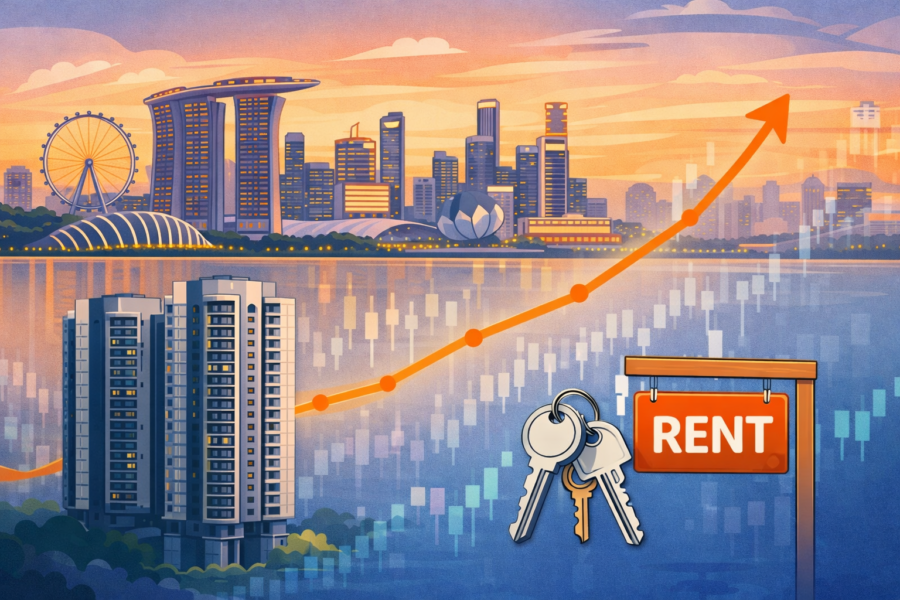
3) Strong rental demand
If investors are nervous, they prefer homes that can rent out easily.
It feels like a “backup plan”.
4) Not too much competing supply
If an area has many new launches coming, it becomes harder to hold price.
What tends to struggle?
Usually:
- Projects that are priced too high for what they offer
- Homes in areas with too many similar options
- Units that are hard to rent or hard to sell (small buyer pool)
In short: if a property depends on “future hype” to justify today’s price, it’s riskier.
What this means for you
If you’re buying for own stay:
Choose something you can comfortably hold long term. Focus on practical living, not hype.
If you’re investing:
Think like this: “If market turns soft, can I still rent it out easily?”
Rentability is safety.
If you’re selling:
Don’t over-test pricing. In a cautious market, buyers compare a lot. A well-priced and well-presented home wins faster.
Takeaway:
If Singapore stays a “safe harbour” and SGD strengthens, that supports property confidence — but the real winners will be people who buy the right property, not just any property.
Leave a Comment